Wetlands and habitat remediation, restoration, and protection
Wetlands and sensitive habitats play a critical role in ecological health, biodiversity, and natural flood protection. When these systems are impacted, ENTACT can perform remediation and restoration with precision and care to protect wildlife, water quality, and long-term ecosystem function.
ENTACT provides turnkey wetland and habitat remediation, restoration, and protection services nationwide. We have completed projects across diverse environments—including lakes, rivers, tidal marshes, mudflats, creeks, ponds, vernal pools, coastal beaches and flood basins—balancing environmental remediation with ecological restoration to return sensitive areas to resilient and sustainable conditions.
Our work spans the entire project lifecycle. From pre-planning and constructability reviews through remediation, restoration, monitoring, and adaptive management, ENTACT delivers solutions that meet regulatory requirements while supporting ecological recovery. We collaborate with state and federal regulatory agencies to ensure compliance with resource regulations.
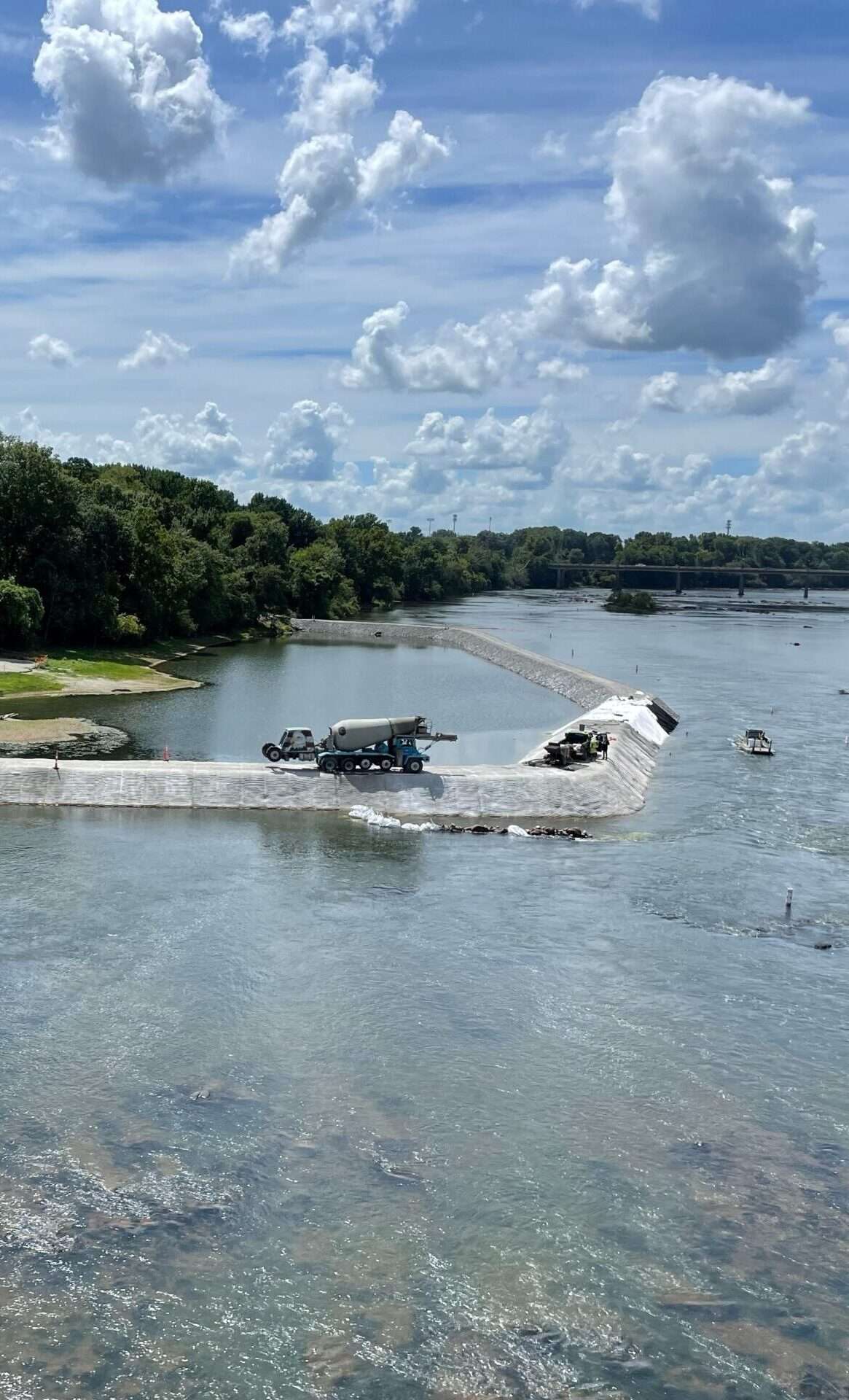
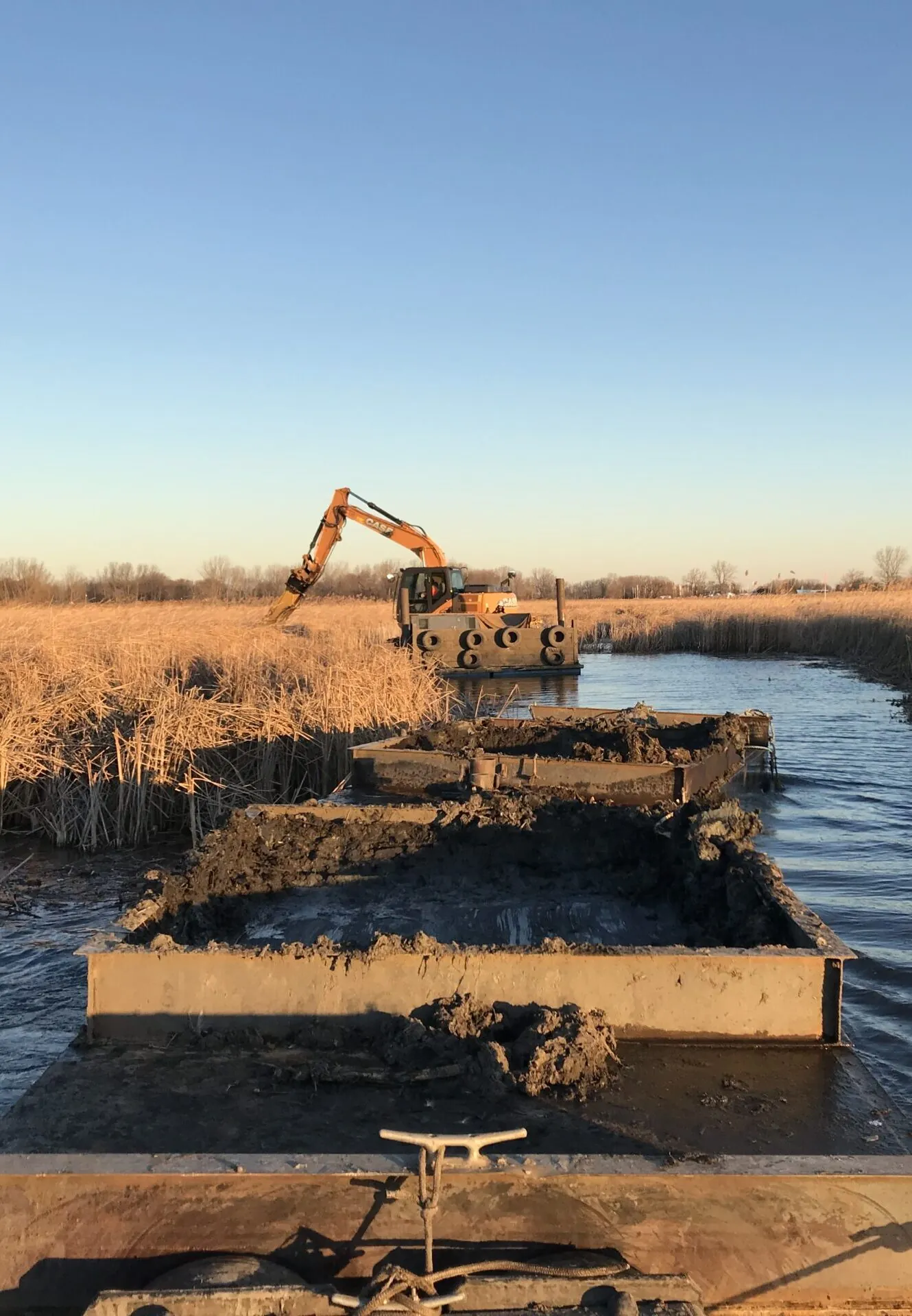
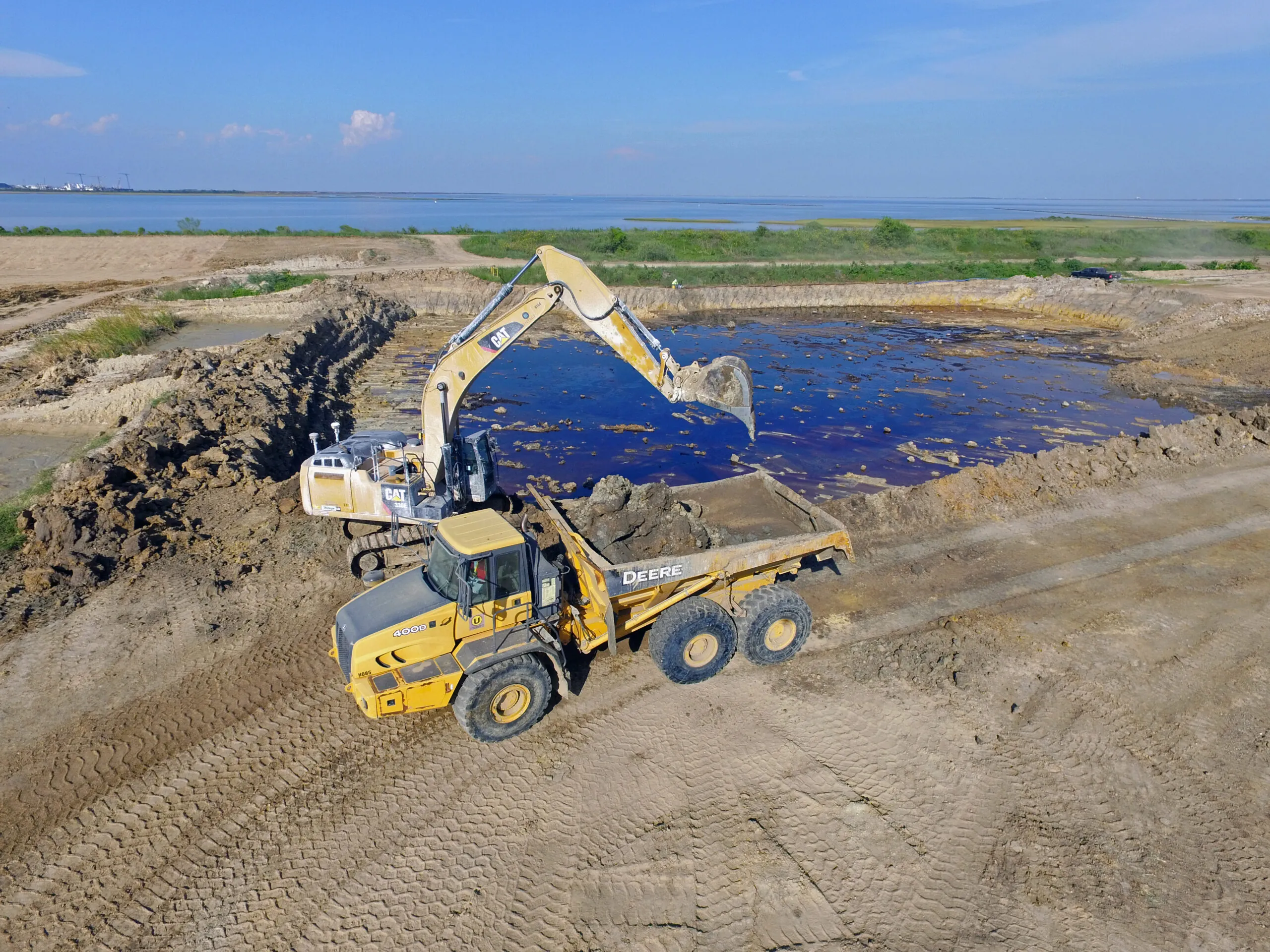
Our experienced crews and specialized equipment allow us to operate effectively in challenging wetland conditions, including saturated soils, tidal zones, and submerged environments. Long-reach excavators on crane mats, marsh buggies, hydraulic dredge attachments, and barge-mounted equipment are just some of the techniques ENTACT deploys to safely and efficiently complete work in sensitive habitats.
Our capabilities
ENTACT offers comprehensive wetland and habitat services, including both self-performed construction and subcontracted specialty work, depending on project complexity. Our capabilities include:
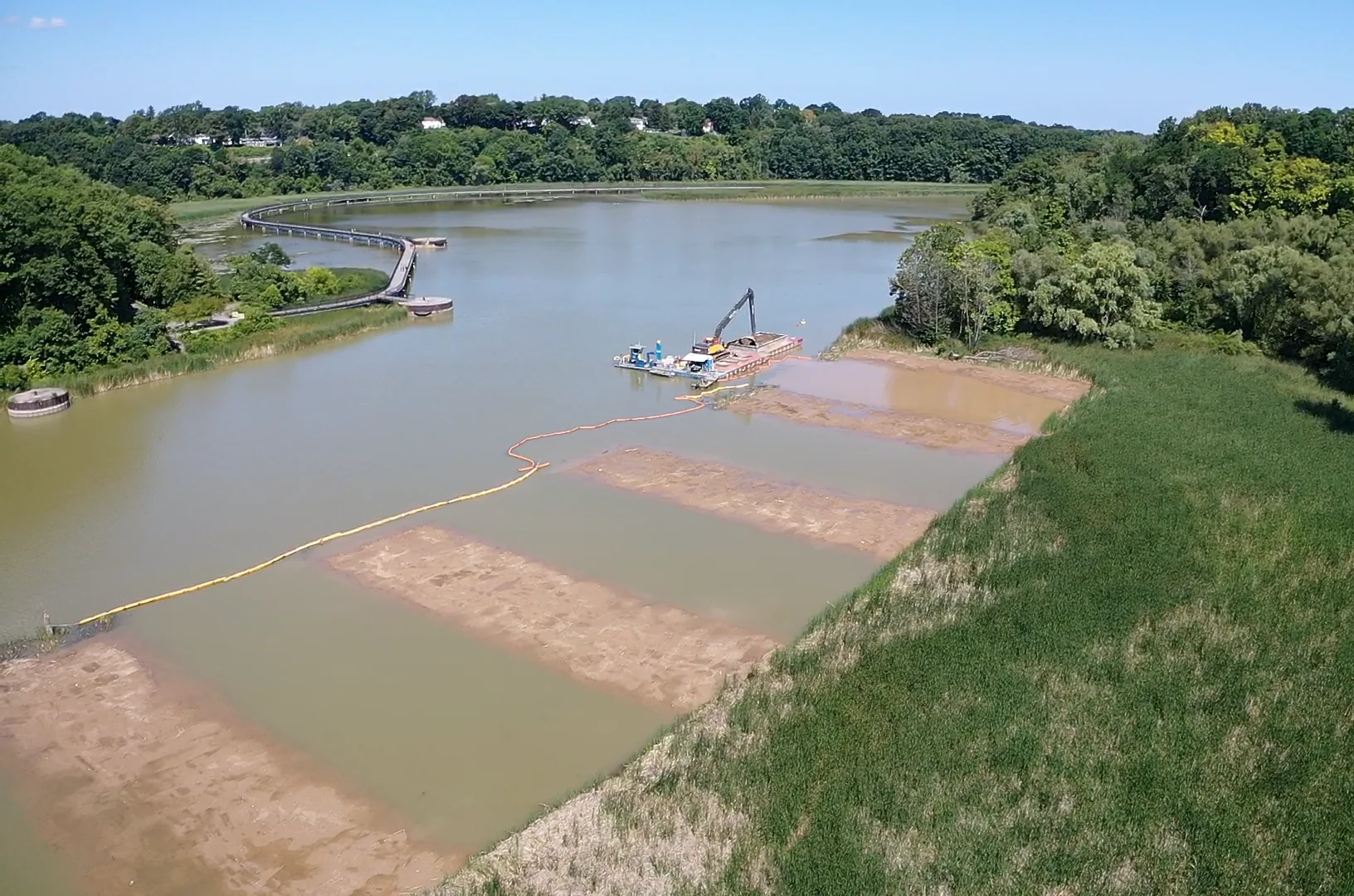
- Wetlands remediation via excavation, dredging, or capping: Removal, in-situ treatment, or capping of impacted sediments in rivers, lakes, creeks, marshes, and tidal environments.
- Wildlife removal: Species specific removal methods to preserve species during wetlands remediation.
- Constructability review and site planning: Early-phase assessments to optimize designs for construction feasibility, minimize environmental disturbance, and streamline permitting.
- Constructed wetlands: Development of engineered wetland systems for water treatment, stormwater control, or habitat creation.
- Habitat and ecological restoration: Restoration of upland and wetland ecosystems, including grading, microtopography creation, installation of habitat logs, boulder clusters, spawning beds, and other wildlife-supporting features.
- Shoreline and bank stabilization: Use of bioengineering solutions such as coir logs, geocells, rock armoring, and native vegetation to protect banks, reduce erosion, and enhance habitat.
- Invasive species management: Removal of invasive vegetation and reintroduction of native plant species to restore ecological balance by trusted subcontractors.
- Native plant sourcing and installation: Sourcing, planting, and establishing native vegetation to support wildlife and ecosystem stability completed by trusted subcontractors.
- Seeding and vegetative work: Broadcast and hydroseeding performed in-house; specialized planting such as live plugs, trees, shrubs, and herbivory controls completed by trusted subcontractors.
The importance of wetlands and habitat restoration
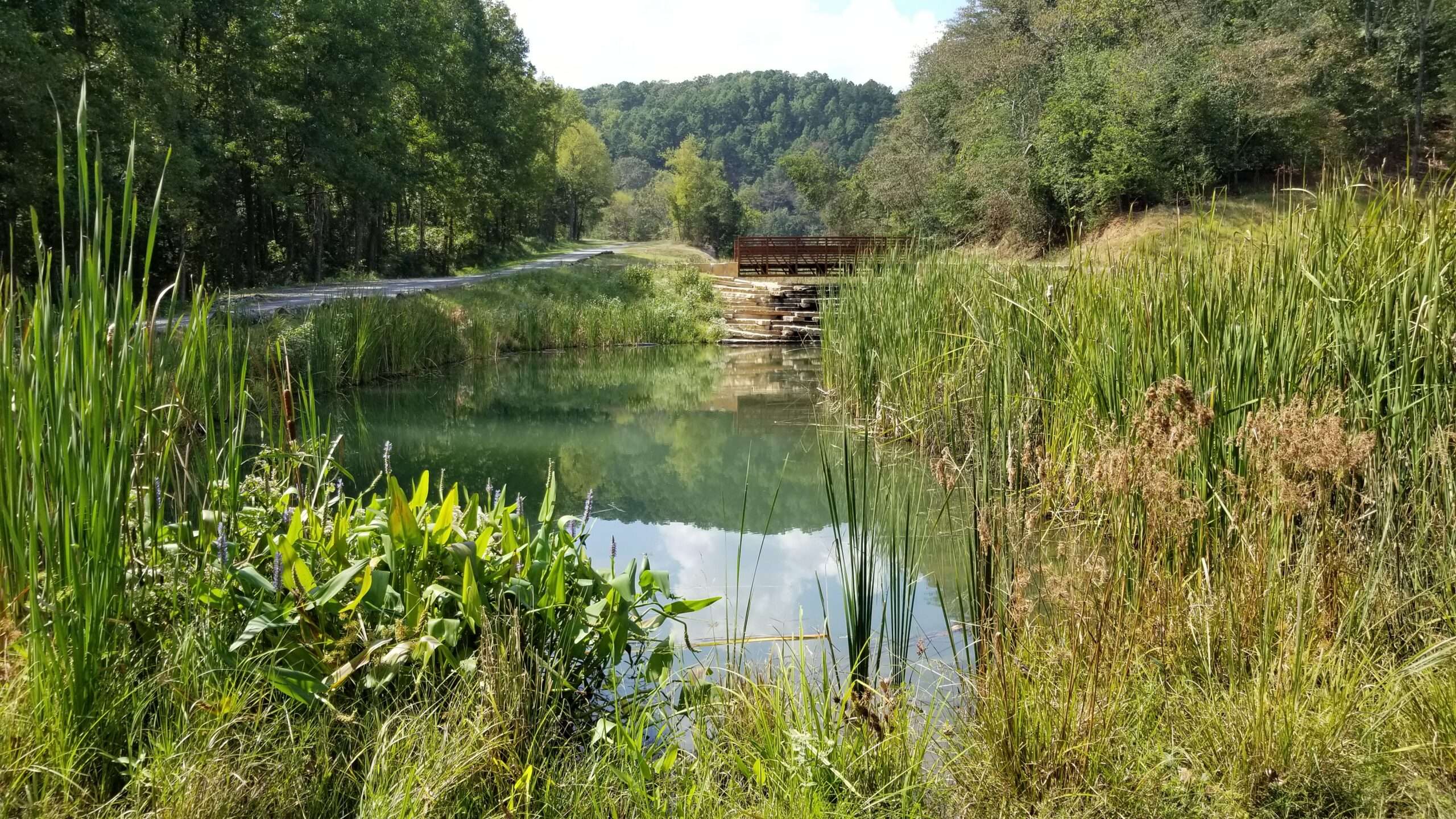
Wetlands and sensitive habitats are among the most valuable ecosystems on Earth. They filter water, reduce flooding, protect shorelines, store carbon, and provide critical habitat for countless species of fish, birds, and wildlife. When these systems are disturbed by human activity, erosion, invasive species, or hydrologic changes, ecological health and biodiversity decline.
Wetland and habitat restoration is the process of repairing these systems so they can once again support thriving ecosystems. Restoration efforts often include sediment removal, soil replacement, reestablishing native vegetation, stabilizing streambanks, and restoring natural hydrology. In some cases, constructed wetlands or engineered habitat features may be introduced to enhance ecosystem services and long-term resilience.
Where and why wetland and habitat restoration is needed
Restoration projects are typically required when sensitive ecosystems have been altered, degraded, or damaged. Common drivers include:
- Historical land use: Human activity can alter hydrology, introduce impacted soils, or reduce habitat quality, requiring remediation and restoration.
- Urban development: Expanding infrastructure and stormwater runoff can reduce wetland area and degrade water quality.
- Erosion and flooding: Natural forces can destabilize streambanks and shorelines, resulting in habitat loss and sedimentation of water bodies.
- Invasive species: Non-native plants can outcompete native vegetation, reducing biodiversity and disrupting food webs.
- Regulatory requirements: Wetland and habitat restoration is often required under state or federal programs to mitigate impacts and comply with permitting obligations.
Restoring and protecting these environments ensures clean water, stable landscapes, healthy ecosystems, and opportunities for biodiversity to thrive.
Why ENTACT
- National reach with local expertise: We have completed wetlands projects in nearly every type of ecological and climatic region in the United States.
- Self-performed construction: ENTACT owns and operates specialty equipment to handle complex wetlands and sediment remediation, reducing reliance on subcontractors.
- Regulatory experience: Our in-house permitting experts have extensive experience with Section 404 and 401 permitting, stormwater discharge permits, and state-specific approvals.
- Ecological sensitivity: Our teams balance remediation with habitat protection, using non-toxic materials and construction techniques that minimize impact to sensitive ecosystems.
Frequently asked questions
These projects are required wherever wetlands, rivers, or other sensitive ecosystems have been impacted by human activity, sedimentation, or invasive species. They are also needed when regulatory mitigation requirements mandate restoration or protection of impacted systems.
We integrate environmental remediation with ecological restoration from the start, ensuring that soil handling, sediment treatment, and grading align with habitat design. This approach restores natural hydrology, supports native vegetation, and creates resilient ecosystems.
Our combination of environmental remediation and geotechnical construction expertise allows us to deliver fully integrated solutions. ENTACT’s ownership of specialized equipment and our self-perform model provide accountability, cost control, and adaptability in complex and sensitive environments. ENTACT’s crews have both the sensitivity and experience to perform the work within the regulatory and ecological framework.
Yes. Our regulatory specialists prepare permit applications, coordinate with agencies, and develop mitigation plans. We have extensive experience with U.S. Army Corps of Engineers Section 404 permits, state 401 certifications, and stormwater discharge permits, helping Clients avoid costly delays.
Timelines depend on the scale of the project and the ecological conditions of the site. Some wetlands show signs of improvement within a few years, while full ecosystem recovery may take decades. Proper planning, construction, and long-term management are essential for sustainable results.
Biodiversity depends on healthy, resilient habitats. When wetlands, grasslands, or forests are disturbed, the plants and animals that rely on them can disappear. Habitat restoration reverses this trend by creating stable environments where species can thrive, protecting both common and endangered wildlife.
Related projects
-
MINE MULTI-YEAR RECLAMATION
Learn More -
PICKLE POND REMEDIATION AND HABITAT CONSTRUCTION
Learn More -
CHEMICAL AND RADIOLOGICAL REMEDIATION
Learn More