In-situ solidification/stabilization (ISS)
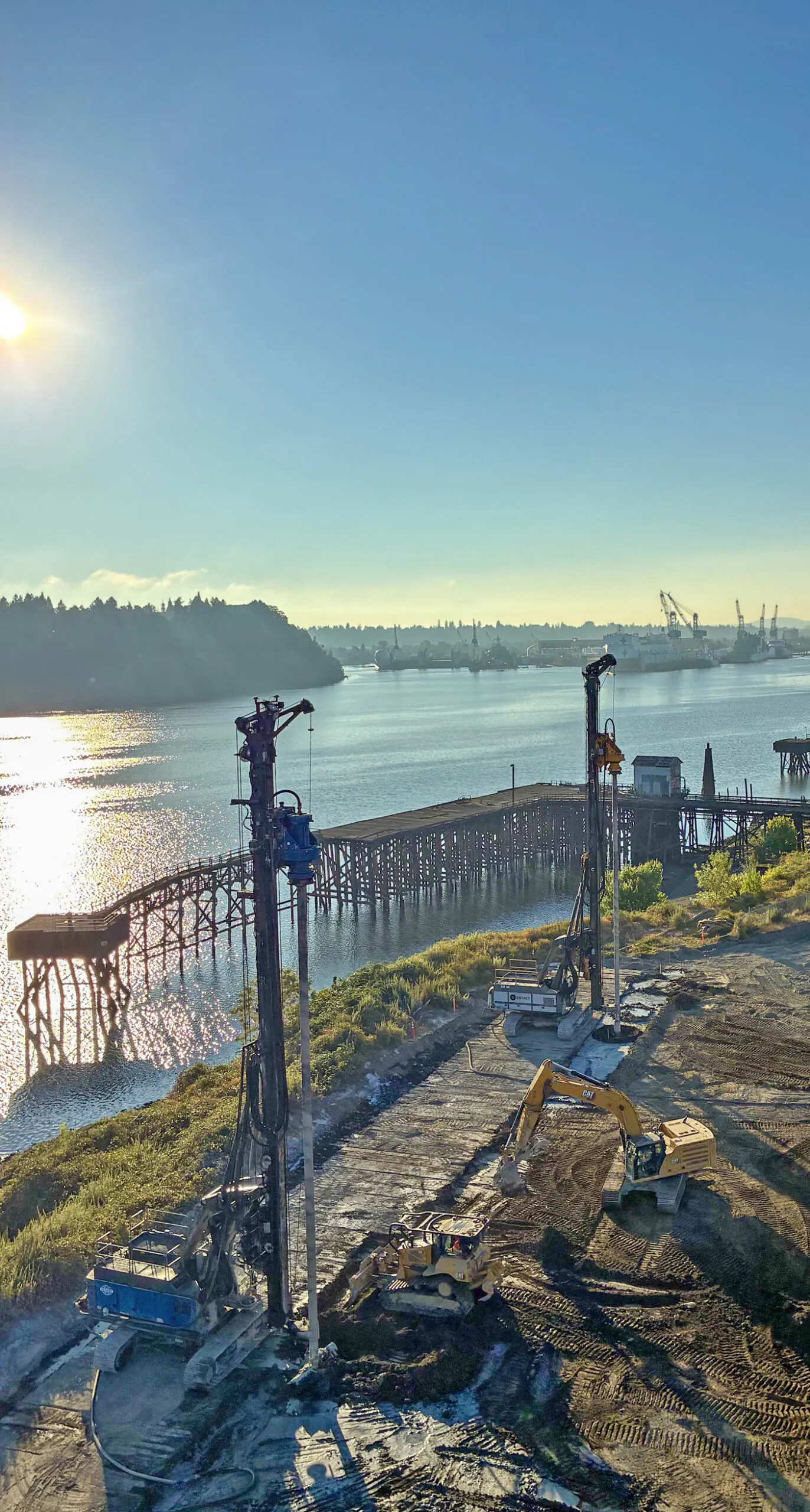
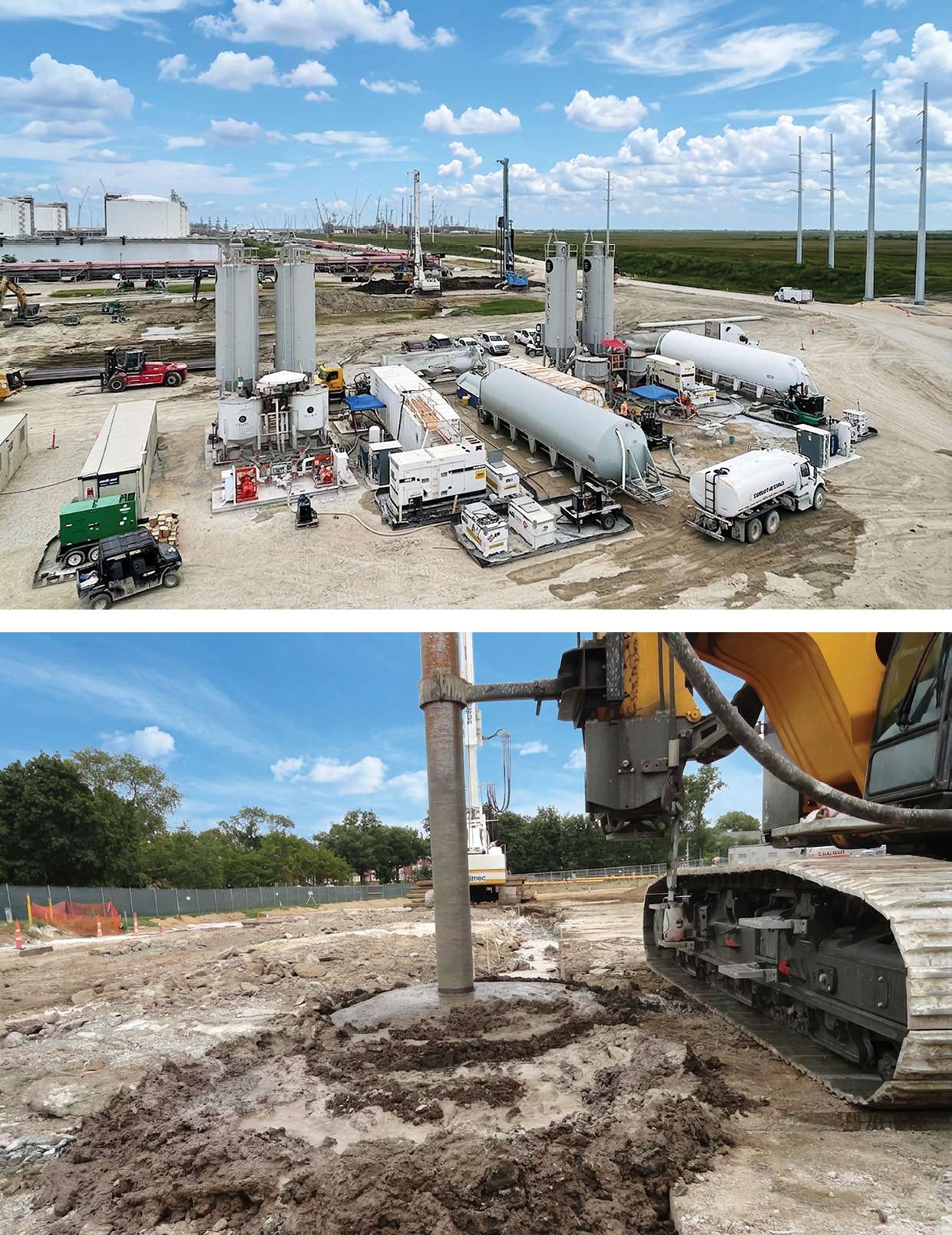
In-situ solidification/stabilization (ISS) is a proven environmental remediation technology used for contaminated soil and sediment treatment without extensive excavation or off-site disposal. This in-situ remediation process blends contaminated soil or sediment with engineered amendments. The selected amendments react with or bind contaminants within the treated material and alter its physical properties. Depending on project objectives, the treatment can reduce contaminant leachability and hydraulic conductivity while increasing strength and reducing compressibility.
ISS can address a wide range of contaminants, including PFAS, PCBs, metals, VOCs, SVOCs, pesticides, herbicides, coal tar, creosote, DNAPL source areas, CCR, and other various contaminants.
Because treatment occurs in place, ISS can be evaluated when excavation, dredging, transportation, or disposal presents significant technical, logistical, regulatory, or cost challenges.
Beyond contaminant immobilization, ISS is also a geotechnical ground improvement method that can enhance strength and bearing capacity, reduce compressibility, and improve overall subsurface performance.
ENTACT has more than 35 years of soil mixing and stabilization experience, with millions of cubic yards of impacted material treated across industrial, utility and coal combustion residual (CCR), manufactured gas plant (MGP), manufacturing, and redevelopment sites nationwide. Our capabilities combine specialized mixing equipment, proprietary technologies, and in-house bench-scale laboratory testing to develop tailored solutions that reduce risk, control cost, and support both environmental and geotechnical construction objectives.
Key benefits of ISS
- Reduces contaminant mobility and leachability
- Lowers hydraulic conductivity
- Improves soil strength and bearing capacity
- Reduces excavation, hauling, and off-site disposal costs
- Minimizes truck traffic and project disruption
- Supports redevelopment and infrastructure reuse
- Improves schedule certainty
- Can be integrated with complementary remedial technologies
Collaborative ISS project delivery
ENTACT works collaboratively with Clients, consulting engineers, and project stakeholders to evaluate historical site documentation and existing site information to develop an approach that can be effectively implemented in the field. Our evaluation considers:
- Soil and sediment characteristics
- Contaminants of concern and concentrations
- Hydrogeologic conditions
- Existing infrastructure and site access
- Treatment depths and material volumes
- Future land use and construction requirements
- Regulatory and performance objectives
Bench-scale treatability testing
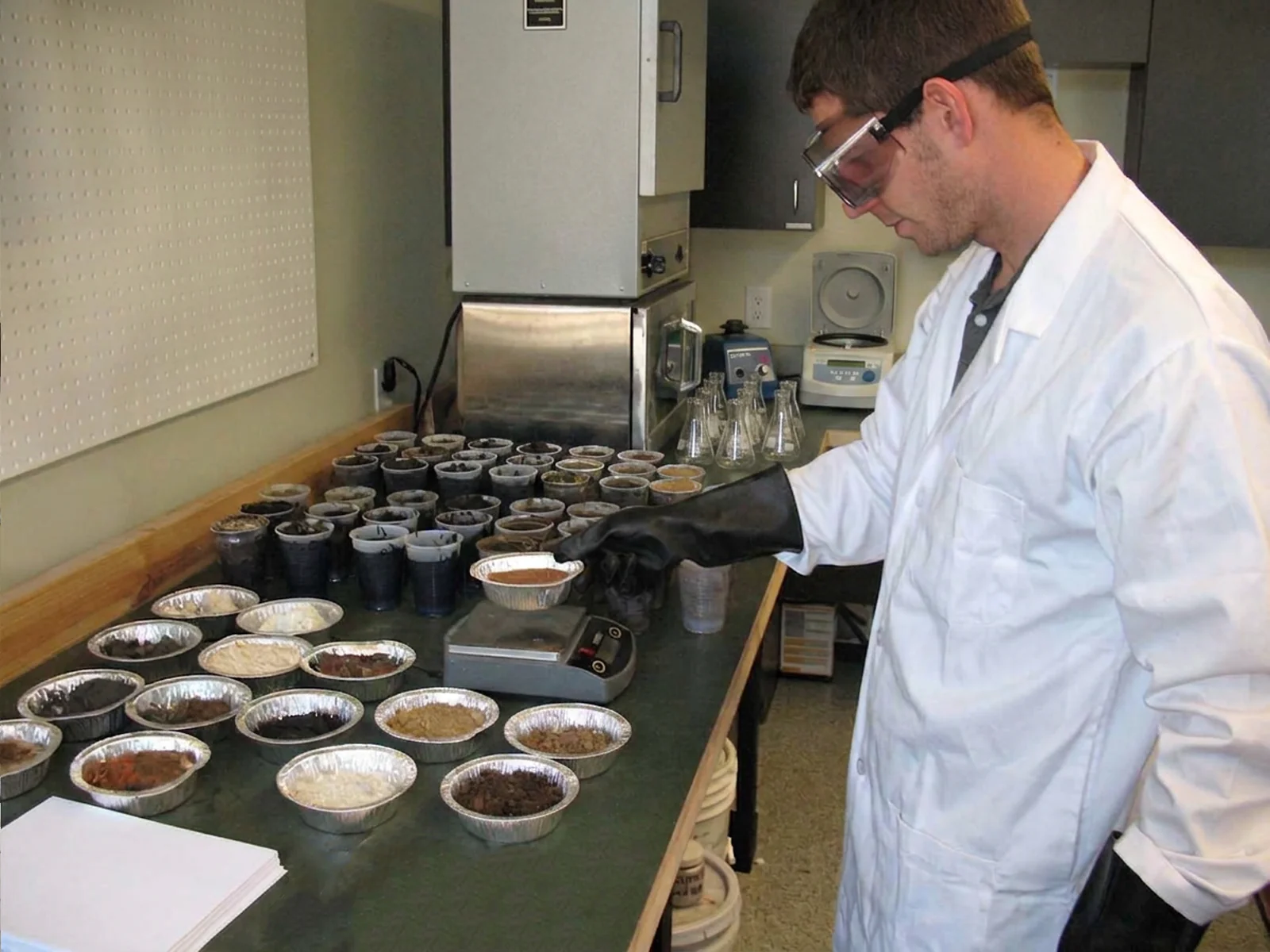
Bench-scale treatability testing provides a controlled method for evaluating how site materials respond to different amendments before full-scale construction. ENTACT operates an in-house bench-scale treatability laboratory where project materials can be evaluated using multiple amendment combinations and mix designs. Testing supports:
- Amendment selection and optimization
- Mix design development
- Strength and durability evaluation
- Hydraulic conductivity reduction assessment
- Leachability and contaminant immobilization performance
- Durability
- Quality control criteria
Integrated remediation solutions
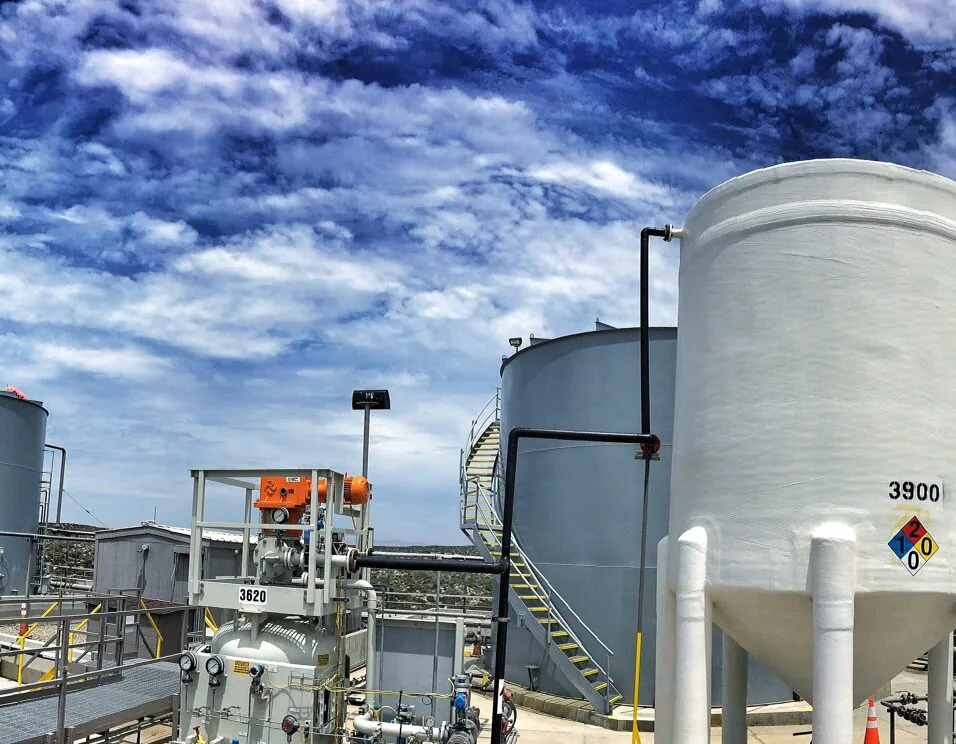
ISS is often most effective when integrated with complementary remediation technologies. ENTACT routinely evaluates combined approaches to address complex contaminant conditions and site constraints. This allows our team to develop more resilient solutions that address both source materials and migration pathways. Integrated solutions may include:
- Chemical oxidation
- Bioremediation
- Wet soil conditioning
- Permeable reactive barriers
- Containment systems
- Groundwater treatment systems
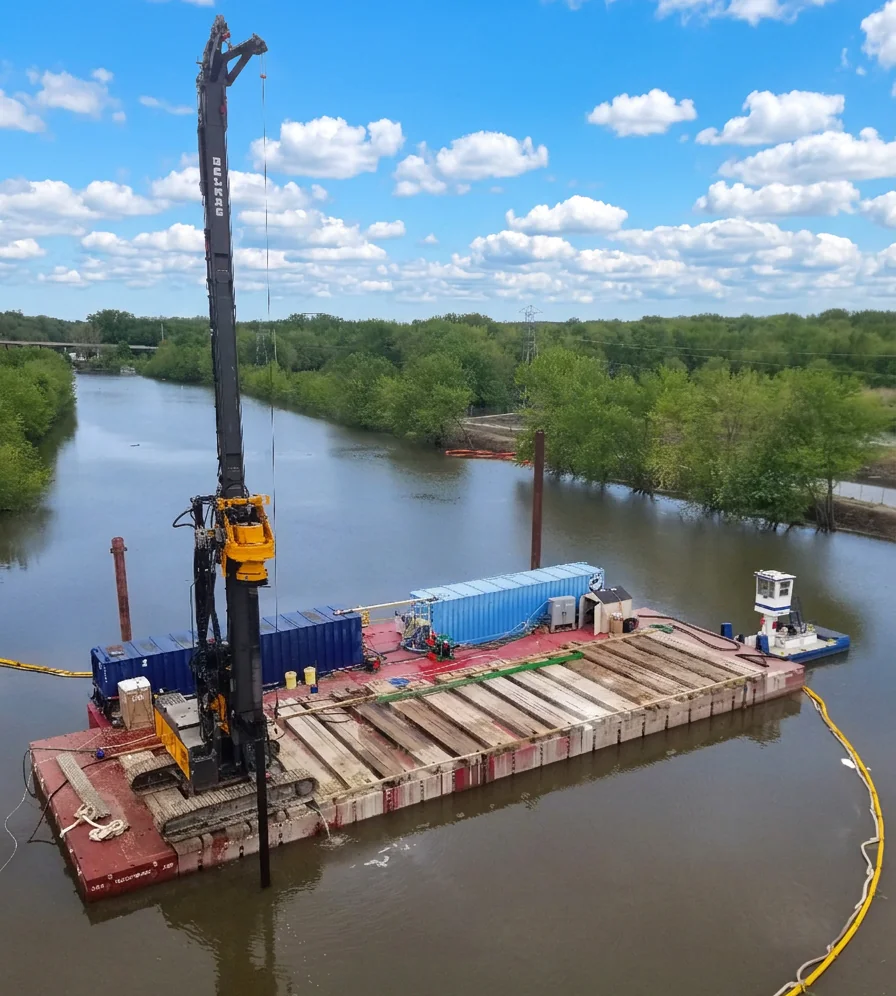
Subaqueous ISS for contaminated sediment
Subaqueous ISS is an application of in-situ solidification/stabilization used to treat contaminated sediment beneath water. It can provide an alternative or complement to dredging and capping when sediment removal is technically difficult, disruptive, or cost-prohibitive.
Treating sediment in place can reduce the volume of material requiring removal and transportation while improving the physical stability of the treated sediment. The approach may be particularly applicable at sites with significant water depths, existing infrastructure, urban development, difficult access, or high sediment disposal costs.
ENTACT combines ISS capabilities with experience in dredging and sediment remediation to evaluate treatment approaches for complex in-water and shoreline projects.
Frequently asked questions
ISS is an environmental remediation technology that treats contaminated soil or sediment in place by mixing the material with engineered amendments. The process is designed to reduce contaminant mobility and leachability while improving the physical properties of the treated material.
ISS can be used for a broad range of organic and inorganic contaminants, including PFAS, PCBs, metals, VOCs, SVOCs, CCR, pesticides, herbicides, coal tar, creosote, and DNAPL-related compounds.
ISS treats impacted material in place, which can reduce the need for excavation, hauling, and off-site disposal. This can be advantageous where disposal costs, transportation requirements, site congestion, or project schedules make conventional excavation less desirable.
When properly evaluated and designed, ISS can reduce PFAS leachability and mobility. Performance depends on the characteristics of the impacted material and the selected amendment system, making treatability testing an important part of PFAS ISS evaluation.
Yes. ENTACT operates an in-house bench-scale laboratory for evaluating amendments, mix designs, and treatment performance before field implementation.
Yes. ISS can be implemented in both upland and subaqueous environments. Subaqueous ISS can be considered where dredging presents significant technical, logistical, environmental, or cost challenges.
Yes. ISS can improve soil strength, bearing capacity, and other geotechnical properties, making it applicable to sites being prepared for future construction or redevelopment.
Common ISS amendments include Portland cement, ground granulated blast furnace slag, bentonite, activated carbon, and other engineered materials. The appropriate amendment system is determined through laboratory testing and project-specific performance requirements.
Yes. ISS can be integrated with chemical, biological, and physical treatment technologies when a combined approach provides a more effective way to address site-specific contamination and migration pathways.
ISS should be evaluated early in the remedy selection and design process. Early consideration allows sufficient time for treatability testing, constructability review, mix design development, cost evaluation, and comparison with other remedial alternatives.
Related projects
-
FORMER MGP SITE IN-SITU SOLIDIFICATION AND STABILIZATION
Learn More -
FORMER WOOD TREATING SITE CORRECTIVE MEASURES
Learn More -
FORMER LASALLE MGP SITE SEDIMENT REMEDIATION
Learn More