Sediment processing and disposal solutions
Dredged material management from dewatering through final disposition
Sediment processing and management is the collection of activities that take place after dredged material is removed from a waterbody. It includes dewatering, material separation, stabilization, transportation, disposal, and beneficial reuse, when appropriate. These processes prepare dredged sediment for safe handling while meeting project requirements and environmental regulations.
Effective sediment management is an essential part of any dredging or sediment remediation project. Processing methods directly influence project costs, schedules, and disposal requirements. In many cases, managing dredged sediment can represent a larger portion of the project budget than the dredging itself.
ENTACT provides comprehensive sediment processing and management services tailored to each project. Our team evaluates sediment characteristics, disposal requirements, site constraints, and project goals to develop practical solutions that minimize handling, maximize efficiency, optimize project costs, and maintain regulatory compliance from processing through final disposition.
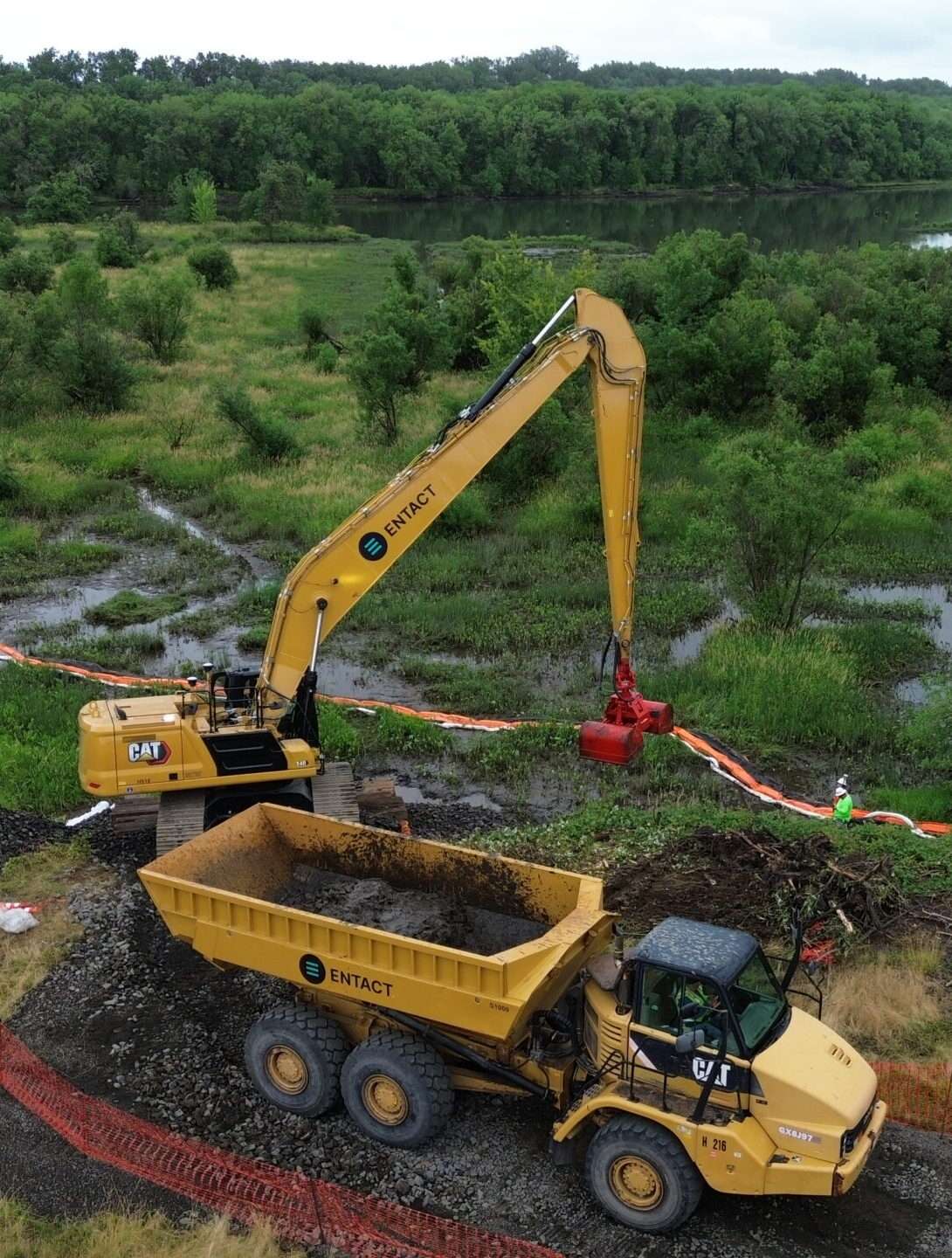
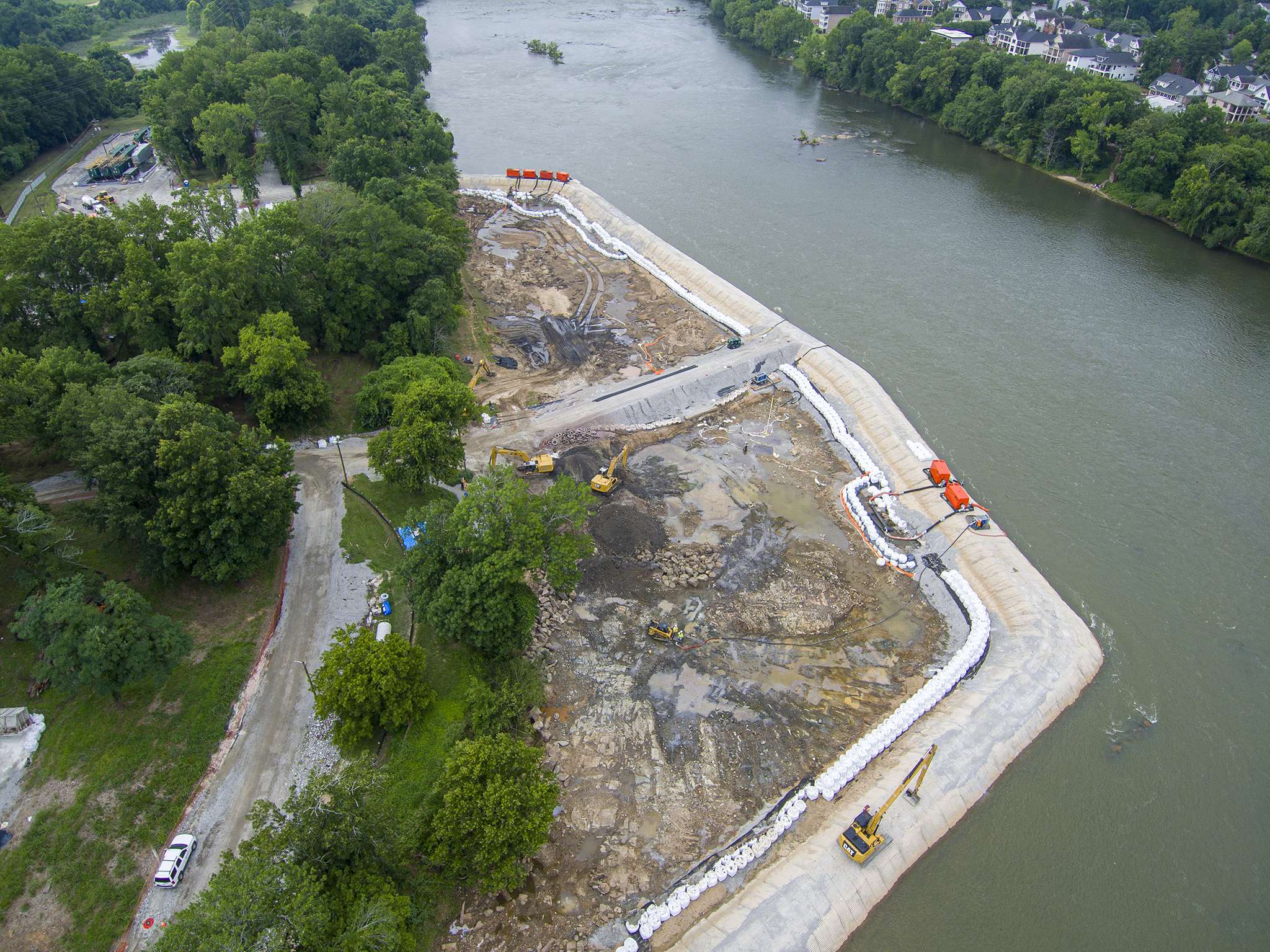
Sediment processing and management services
ENTACT manages every stage of sediment processing, from dewatering through final disposal or beneficial reuse. Our experienced teams evaluate each project to determine the most effective treatment and handling methods before material leaves the site. Our sediment processing and management capabilities include:
- Sediment dewatering
- Mechanical dewatering systems
- Geotextile tube dewatering
- Sediment solidification and stabilization
- In-barge polymer solidification
- Solids separation
- Dredged material segregation
- Transportation coordination
- Hazardous and non-hazardous waste disposal
- Beneficial reuse evaluation and implementation, when appropriate
By integrating these services with our dredging and sediment remediation capabilities, we help streamline project execution and reduce unnecessary material handling.
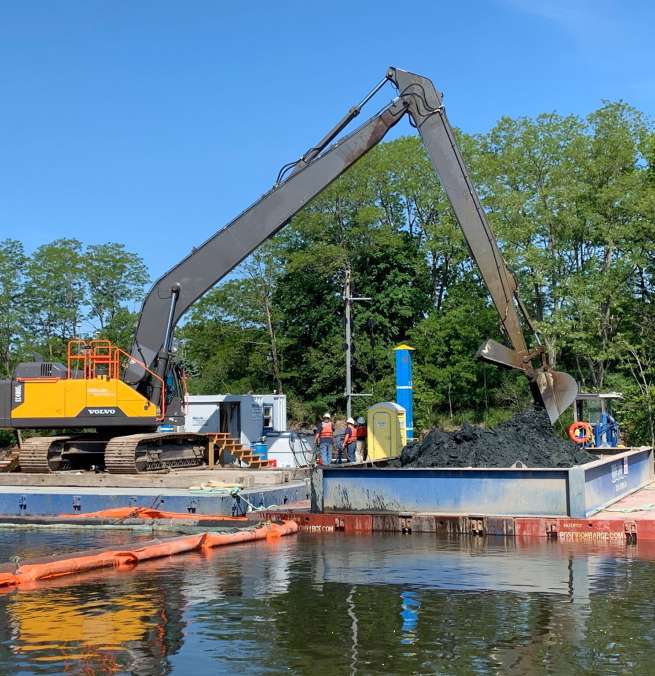
Reducing disposal costs through smarter sediment management
For many sediment remediation projects, disposal costs can exceed the cost of dredging itself. Multiple rounds of handling, dewatering, transportation, and landfill disposal can quickly increase project costs if they are not carefully planned.
ENTACT works to identify the most efficient processing strategy from the beginning of each project. Our team evaluates opportunities to reduce transportation volumes, minimize material handling, improve dewatering efficiency, and identify beneficial reuse options whenever feasible. These strategies help control costs while meeting project requirements and regulatory standards.
Every project presents different challenges. Rather than applying a standard approach, we develop solutions that fit each site’s unique conditions.
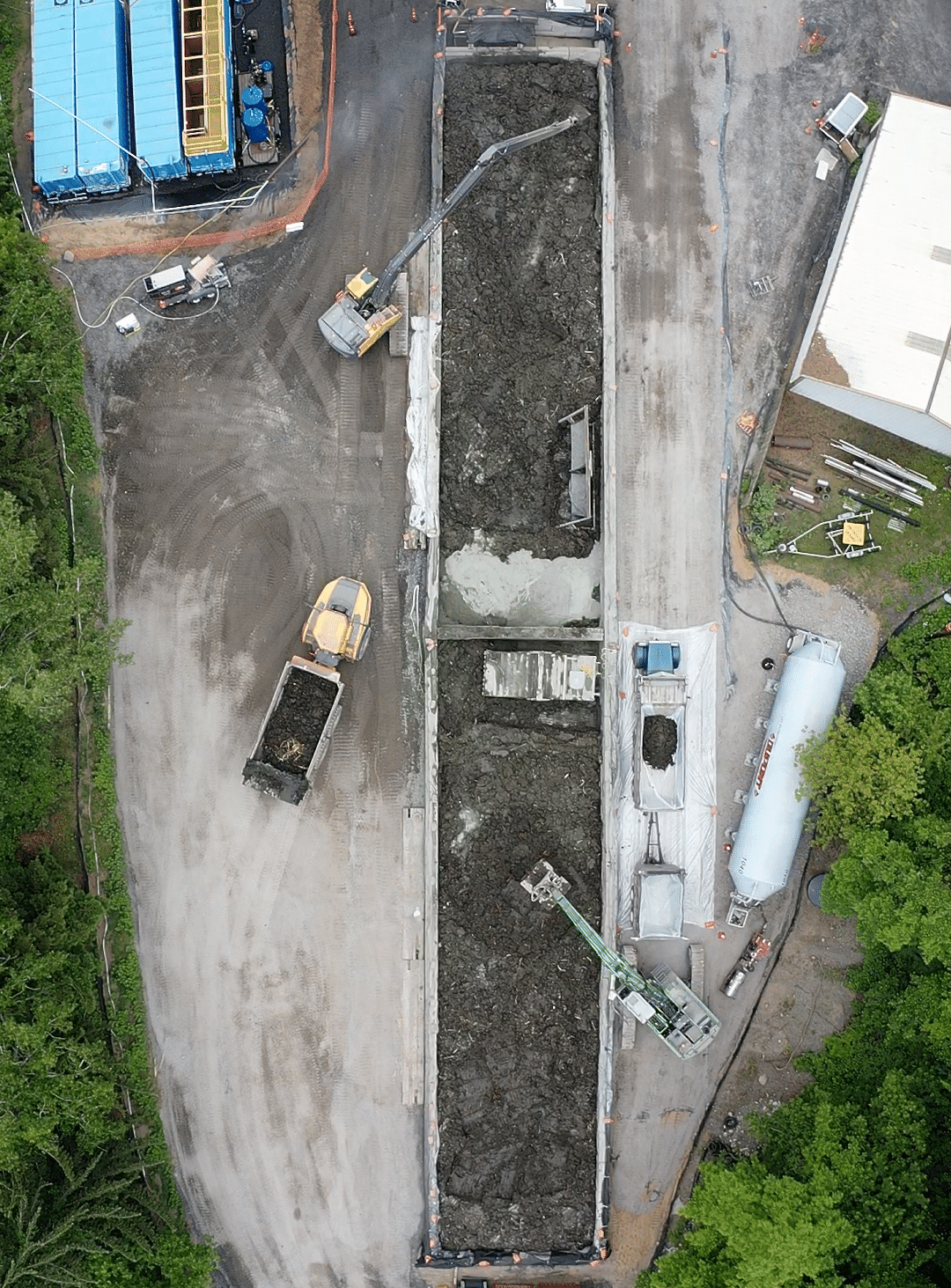
Sediment management and disposal expertise
Successful sediment management begins with selecting the right processing methods including dewatering and amendment. ENTACT has experience with a wide range of sediment dewatering technologies, solidification amendments, and disposal strategies for contaminated and non-contaminated materials. Depending on project needs, our team may implement:
- Mechanical dewatering systems
- Geotextile tube dewatering
- Sediment solidification
- Polymer-assisted treatment
- Material segregation
- Solids separation
ENTACT will often need to utilize amendments (such as Portland cement or super absorbent polymers) to solidify dredge materials for both transportation and landfill disposal. Solidification methods will vary widely based on factors such as:
- Local landfill acceptance criteria
- Local availability of amendment products
- Site constraints such as footprint and/or location
All these variables are evaluated by ENTACT to develop an optimized overall sediment management process. After dewatering and solidification, we then coordinate transportation and disposal through an established network of qualified landfill and transportation partners. We manage disposal at both hazardous and non-hazardous waste facilities while maintaining regulatory compliance throughout the process.
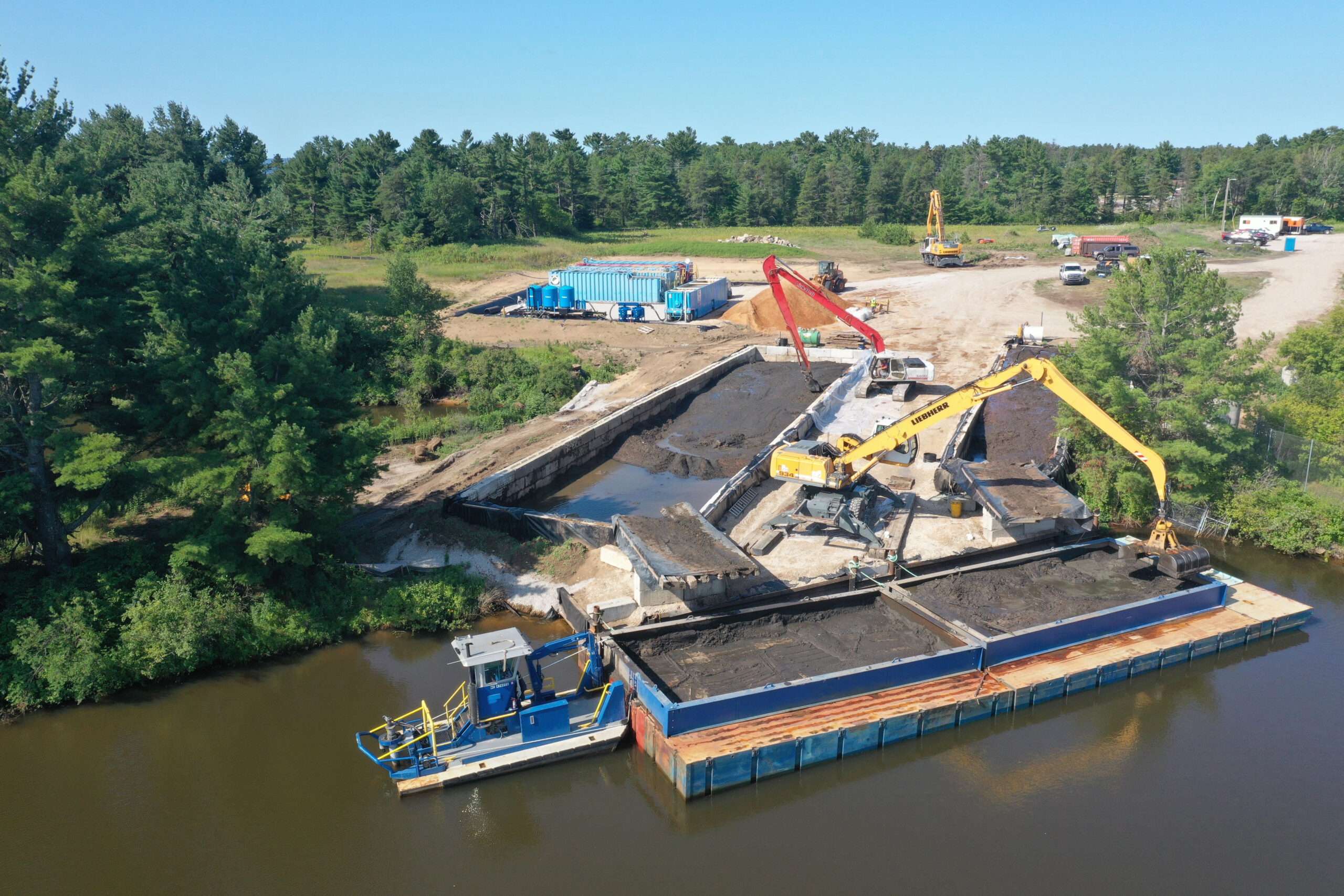
An integrated approach to sediment management
Processing and disposal decisions affect project schedules, costs, and environmental performance. ENTACT evaluates sediment management as part of the overall remediation strategy rather than as a separate activity.
By considering dredging methods, processing requirements, transportation logistics, disposal options, and site constraints together, we help Clients improve constructability and reduce project risk. Our integrated approach supports more predictable schedules and greater cost certainty throughout sediment remediation projects.
Frequently asked questions
Sediment processing is the treatment of dredged material after it has been removed from a waterbody. Processing may include dewatering, solids separation, solidification/stabilization, material segregation, or other methods that prepare sediment for transportation, disposal, or beneficial reuse.
Dewatering removes excess water from dredged sediment, reducing the volume and weight of material that must be transported and disposed of. This can lower transportation and disposal costs while improving handling efficiency.
Water that is removed from the sediment during dewatering is often treated, sampled, and discharged back to the surface water and/or to the local sanitary sewer. Understanding this water management process is critical to project success as this treatment and sampling can be both expensive and may define the overall dredging methods chosen.
The final destination depends on the sediment's characteristics and regulatory requirements. Material may be processed and disposed of at hazardous or non-hazardous landfills, managed through approved treatment methods, or beneficially reused when appropriate and permitted.
In some cases, dredged sediment can be beneficially reused instead of being disposed of. Reuse opportunities depend on sediment quality, regulatory requirements, and project-specific conditions.
The appropriate solution depends on several factors, including sediment characteristics, contaminant concentrations, disposal requirements, available processing technologies, transportation logistics, water treatment requirements, and project goals. Evaluating these factors together helps identify the safest and most cost-effective approach.
Let’s work together
We want to hear about your project. Learn how we
deliver results with innovation.